Mastering the Flow: An Expert Guide on How to Unblock a Toilet with Professional Precision
A blocked toilet is not merely an inconvenience; it represents a significant disruption to household functionality and can, if mishandled, lead to extensive plumbing issues. Understanding the underlying mechanics of your waste system and employing precise, professional techniques are paramount to resolving such a common domestic challenge effectively. This comprehensive guide will delve into the expert methodologies for addressing a clogged commode, ensuring not only remediation but also the preservation of your plumbing integrity. We aim to equip homeowners with the knowledge to approach this task with confidence and competence, transforming a frustrating situation into a manageable one.
Understanding the Anatomy of a Blockage: Why Your Toilet Needs Unblocking
The modern toilet is an intricate fixture, designed for efficient waste removal via a siphon action. When this delicate balance is disrupted, typically by foreign objects or an accumulation of insoluble matter, a blockage occurs. Identifying the nature of the obstruction is the first critical step in determining the most appropriate and least invasive method for how to unblock a toilet.
Common Culprits Behind a Stubborn Toilet Blockage
Most toilet blockages stem from a few primary causes. Excessive use of toilet paper, particularly thicker varieties, often leads to a buildup that overwhelms the drain line’s capacity. Non-flushable items, such as wet wipes, cotton balls, feminine hygiene products, or even small toys, are frequent offenders that do not disintegrate and instead accumulate, forming formidable obstructions. Furthermore, issues within the main sewer line, such as tree root intrusion or sediment buildup, can manifest as recurring toilet blockages, though these require professional intervention.
Essential Tools and Preparations for How to Unblock a Toilet
Before embarking on the task of unblocking your toilet, assembling the correct array of tools and preparing your workspace is crucial for both efficacy and hygiene. Neglecting these preparatory steps can lead to further mess or, worse, incomplete resolution of the blockage.
- Heavy-Duty Flange Plunger: Not a sink plunger, but one specifically designed to create a tight seal over the toilet drain.
- Rubber Gloves and Eye Protection: Essential for personal safety and hygiene.
- Old Towels or Rags: To protect the floor and manage any spills.
- Bucket: For bailing out excess water if the bowl is too full.
- Toilet Auger (Closet Auger): A specialized tool for more stubborn blockages.
- Warm Water and Dish Soap: A non-corrosive preliminary approach.
Step-by-Step Methodology: Mastering How to Unblock a Toilet Effectively
Adopting a systematic approach is key to successfully clearing a clogged toilet without causing damage. Begin with the least invasive methods and escalate only if necessary.
The Plunger: Your First Line of Defense
The plunger is often the most effective initial tool. Ensure the water level in the bowl is sufficient to cover the plunger’s rubber cup, creating a hermetic seal over the drain opening. Position the plunger firmly, then execute a series of forceful, rapid pushes and pulls, maintaining the seal throughout. The objective is to create a vacuum and pressure differential that dislodges the obstruction. After 10-15 cycles, remove the plunger quickly to check for drainage. Repeat if necessary.
Plumbing Factoid: The modern toilet design, featuring an S-trap or P-trap, relies on a siphon effect to evacuate waste. This trap also serves as a barrier, preventing sewer gases from entering your home. A common misconception is that all plungers are equal; specialized flange plungers are engineered to create a superior seal for toilet drains compared to flat-bottomed sink plungers.
Chemical Solutions and Bio-Enzymatic Drain Cleaners: Use with Caution
While tempting, chemical drain cleaners can be corrosive and detrimental to plumbing systems, especially older pipes or septic tanks. Bio-enzymatic cleaners offer a safer alternative, utilizing bacteria to digest organic matter, but they are typically slow-acting and less effective for immediate, severe blockages. If considering such products, always follow manufacturer instructions meticulously and understand their limitations. For a less harsh initial approach, a mixture of hot (not boiling) water and a generous amount of dish soap can sometimes lubricate and break down minor organic obstructions.
The Drain Snake (Auger): When Manual Force is Required
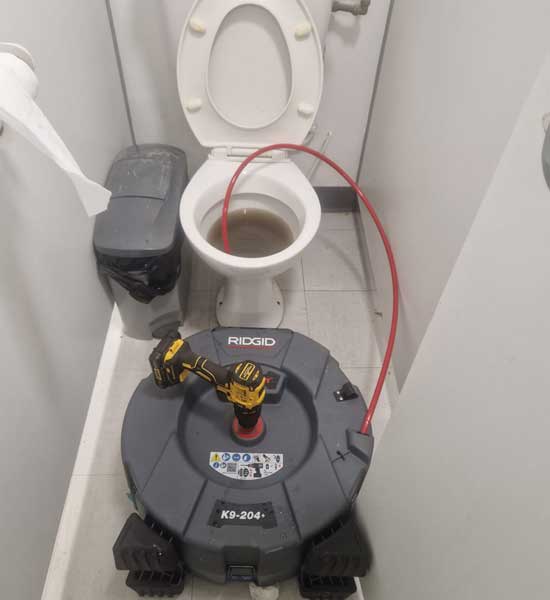
For blockages that resist plunging, a toilet auger, also known as a closet auger, is the next professional-grade tool. This specialized snake is designed with a protective sleeve to prevent scratching the porcelain bowl. Insert the auger’s coiled cable into the drain opening, gently rotating the handle as you feed it forward until resistance is met. Once the obstruction is engaged, continue rotating while pushing and pulling to break it apart or hook it for retrieval. Withdraw the auger slowly, cleaning any retrieved debris.
- Carefully insert the auger head into the toilet drain opening, ensuring the protective sleeve is in place to prevent porcelain damage.
- Slowly turn the handle clockwise, feeding the cable further into the trapway until you feel resistance, indicating contact with the blockage.
- Once resistance is met, continue to crank the handle while gently pushing and pulling to either break up the clog or hook onto it.
- Once the blockage feels dislodged or retrieved, slowly pull the auger back out, cleaning any debris from the cable as it emerges.
- Flush the toilet several times to ensure the drain is completely clear and the siphon action is restored.
Advanced Techniques and When to Call a Professional Plumber
If, after employing a plunger and a toilet auger, the blockage persists, it indicates a more complex issue requiring professional expertise. Persistent or recurring clogs often point to problems beyond the toilet trap.
Hydro-Jetting and Camera Inspections
Professional plumbers possess advanced tools like hydro-jetters, which use high-pressure water streams to obliterate stubborn blockages and thoroughly clean pipe interiors. For elusive problems, a sewer camera inspection can pinpoint the exact location and nature of the obstruction, such as tree root intrusion, pipe collapse, or significant grease buildup in the main line. These diagnostic tools are invaluable for long-term solutions.
Plumbing Factoid: The average person flushes a toilet approximately 5-6 times a day. Over a year, this equates to thousands of gallons of water. Modern low-flow toilets, mandated in many regions, significantly reduce water consumption per flush, contributing to water conservation efforts without compromising waste removal efficiency.
Preventative Measures: Avoiding Future Toilet Blockages
Prevention is always superior to remediation. Educating household members on proper toilet usage is paramount.
- Only flush human waste and toilet paper.
- Avoid flushing “flushable” wipes, as they often do not disintegrate adequately.
- Install a wastebasket near the toilet for non-flushable items.
- Perform periodic maintenance flushes with a bucket of hot water to help clear minor buildups.
- Address any slow-draining issues promptly before they escalate into full blockages.
Frequently Asked Questions on How to Unblock a Toilet
Q1: What should I do if my toilet is overflowing while trying to unblock it?
A1: Immediately lift the tank lid and push down on the flapper valve to stop water from entering the bowl. If you cannot reach the flapper, locate the fill valve (usually on the left side of the tank) and lift its float cup or arm to stop the water flow. This prevents further overflow while you address the blockage. Once the water level recedes, you can proceed with unblocking techniques.
Q2: Are there any natural remedies for how to unblock a toilet that are safe for septic systems?
A2: Yes, for minor organic clogs, a combination of hot water and dish soap can be effective and is safe for septic systems. Pour a generous amount of dish soap (about half a cup) into the toilet bowl, followed by a gallon of hot (not boiling) water. Let it sit for 20-30 minutes, or even overnight, to allow the soap to break down and lubricate the clog. The heat helps dissolve fats and oils. This method is non-corrosive and encourages natural degradation.
Q3: How can I tell if the blockage is in the toilet itself or further down the main drain line?
A3: If the blockage is isolated to a single toilet, meaning other drains (sinks, showers) in your home are functioning normally, the obstruction is likely within the toilet’s trapway or immediate waste pipe. However, if multiple plumbing fixtures are backing up simultaneously, or if you hear gurgling sounds from other drains when you flush the toilet, it strongly suggests a more significant blockage in the main sewer line. In such cases, professional plumbing intervention is almost certainly required to diagnose and resolve the issue.