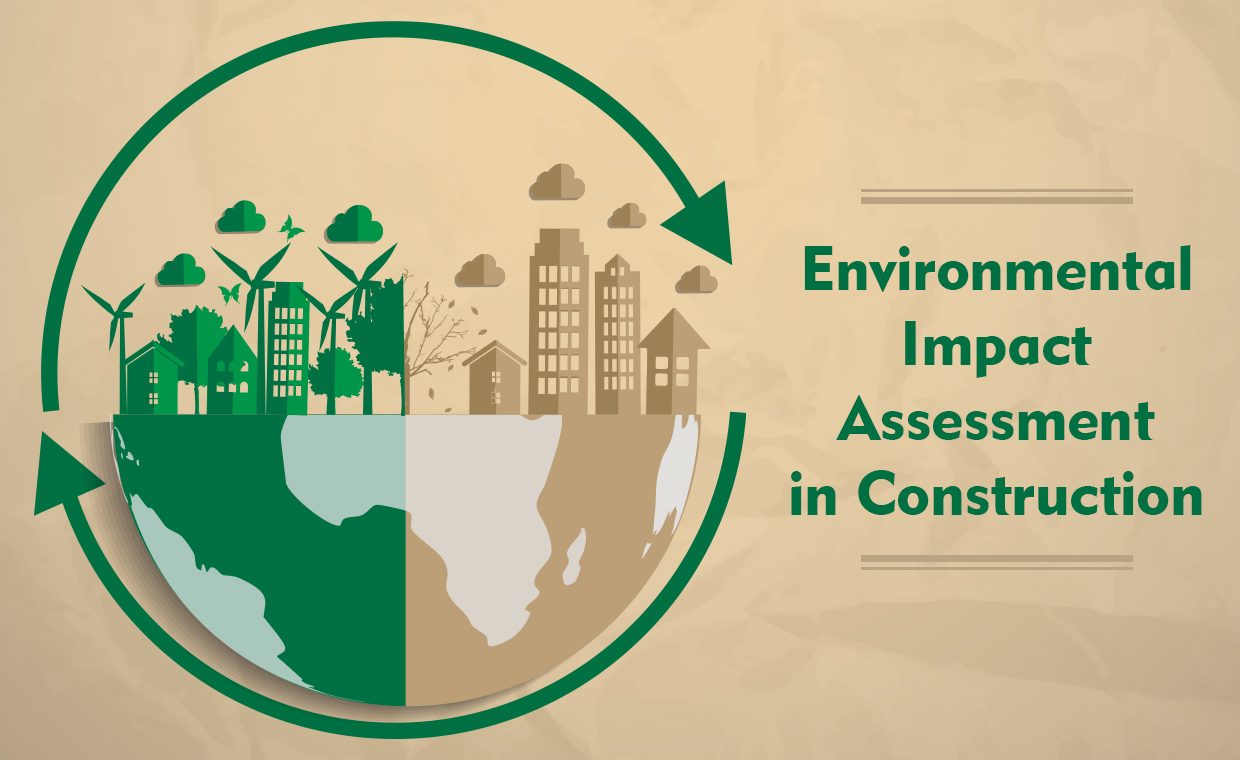
Maximizing Sustainability: How to Minimize Construction Site Environmental Impact
The construction industry, a cornerstone of global development, inherently carries a significant environmental footprint. From raw material extraction to on-site operations and waste generation, every phase presents challenges to ecological balance. As professionals in this domain, understanding and implementing robust strategies for environmental mitigation is not merely a regulatory compliance issue but a fundamental ethical imperative for sustainable development. This comprehensive guide delves into advanced methodologies and best practices, equipping stakeholders with the knowledge to drastically reduce adverse environmental effects associated with construction projects, thereby contributing to a healthier planet and more resilient communities.
Understanding the Environmental Footprint of Construction
Before devising strategies, it is crucial to comprehensively understand the multifaceted environmental impacts stemming from construction activities. These impacts are broad-ranging, affecting air quality, water resources, soil integrity, biodiversity, and contributing significantly to waste streams.
Key Areas of Impact
- Resource Depletion: Intensive use of virgin materials like aggregates, timber, and metals.
- Energy Consumption: Significant energy demands for machinery operation, site lighting, and temporary facilities, often relying on fossil fuels.
- Emissions: Release of greenhouse gases (GHGs), particulate matter (PM2.5, PM10), and volatile organic compounds (VOCs) from machinery, material production, and transportation.
- Water Pollution: Runoff containing sediment, chemicals, and construction debris contaminating waterways.
- Noise Pollution: Disruptive noise levels affecting local communities and wildlife.
- Waste Generation: Enormous volumes of construction and demolition (C&D) waste, much of which is landfilled.
- Habitat Disruption: Land clearing, soil compaction, and alteration of natural drainage patterns impacting local ecosystems.
Strategic Planning: The First Step to Minimize Construction Site Environmental Impact
Effective environmental management begins long before the first shovel breaks ground. A proactive, integrated planning approach is paramount for identifying potential impacts and embedding mitigation measures into the project lifecycle.
Site Selection and Layout Optimization
Careful site selection can significantly reduce environmental stress. Prioritizing brownfield sites over greenfield areas minimizes habitat destruction. Optimized site layout can reduce material transport distances, preserve existing vegetation, and manage stormwater runoff more effectively.
Pre-Construction Environmental Assessments
Conducting thorough environmental impact assessments (EIAs) and ecological surveys is foundational. These assessments identify sensitive ecosystems, protected species, soil conditions, and hydrological features, allowing for informed design adjustments and the development of targeted mitigation plans.
Factoid: Globally, the construction industry is responsible for approximately 38% of total energy-related carbon dioxide emissions, with a significant portion attributed to material manufacturing and on-site operations. Implementing energy-efficient practices can drastically reduce this footprint.
Implementing Sustainable Practices During Construction
Once construction commences, a suite of operational strategies must be deployed to actively minimize construction site environmental impact.
Waste Management and Recycling Programs
Developing a comprehensive Construction and Demolition (C&D) Waste Management Plan is critical. This plan should prioritize waste reduction at the source, followed by reuse, recycling, and responsible disposal.
- Source Reduction: Accurate material ordering, prefabrication, and modular construction techniques to minimize off-cuts and excess materials.
- On-Site Segregation: Dedicated bins for different waste streams (e.g., concrete, wood, metal, drywall) to facilitate recycling.
- Material Reuse: Salvaging materials like bricks, timber, and fixtures for use in other projects or donating them.
- Recycling Partnerships: Collaborating with specialized recycling facilities for C&D waste.
Water Conservation Strategies
Water is a finite resource, and its judicious use on construction sites is essential.
- Rainwater Harvesting: Collecting and storing rainwater for non-potable uses like dust suppression, concrete mixing, and equipment washing.
- Recycling Wash Water: Implementing systems to filter and reuse water from concrete truck washouts and equipment cleaning.
- Efficient Practices: Utilizing high-pressure washers, minimizing leaks, and educating personnel on water-saving habits.
Energy Efficiency on Site
Reducing energy consumption directly translates to lower carbon emissions and operational costs.
- Renewable Energy Integration: Deploying solar panels for temporary site offices or lighting.
- Optimized Equipment Usage: Regular maintenance of machinery, proper sizing of equipment for tasks, and minimizing idle times.
- LED Lighting: Using energy-efficient LED lighting for all temporary site illumination.
- Smart Power Management: Utilizing power management systems to monitor and control energy usage.
Pollution Control and Mitigation
Proactive measures are needed to control air, water, and noise pollution.
- Air Quality Management: Regular watering for dust suppression, covering stockpiles, using low-emission vehicles and machinery, and implementing strict idling policies.
- Stormwater Management: Implementing erosion and sediment control (ESC) measures such as silt fences, sediment basins, and vegetated buffer strips to prevent contaminated runoff.
- Chemical Management: Proper storage, handling, and disposal of hazardous materials to prevent spills and soil contamination.
- Noise Abatement: Employing quieter machinery, erecting temporary noise barriers, and scheduling noisy activities during less sensitive hours.
Factoid: Construction and demolition (C&D) waste accounts for over 25% of the total waste generated in many developed countries. Effective waste diversion programs can achieve recycling rates exceeding 70-80%, significantly reducing landfill burden.
Leveraging Green Building Materials and Technologies
The choice of materials profoundly influences a project’s environmental footprint. Prioritizing sustainable options is a powerful way to minimize construction site environmental impact.
Sustainable Sourcing and Local Materials
Opting for materials with lower embodied energy, recycled content, or those certified by reputable environmental standards (e.g., FSC for timber). Sourcing materials locally reduces transportation emissions and supports regional economies.
Innovative Construction Techniques
Embracing techniques like modular construction, 3D printing, and prefabrication can reduce on-site waste, improve material efficiency, and shorten construction timelines, thereby minimizing prolonged site disruption.
Post-Construction Remediation and Monitoring
The environmental responsibility does not end with project completion. Site restoration and ongoing monitoring are crucial.
- Site Restoration: Replanting native vegetation, restoring natural drainage patterns, and removing all temporary structures and debris.
- Environmental Monitoring: Post-construction monitoring of water quality, soil health, and biodiversity to ensure long-term environmental integrity.
Frequently Asked Questions
Q1: What is ’embodied energy’ in construction, and why is it important for minimizing environmental impact?
A1: Embodied energy refers to the total energy consumed in the entire lifecycle of a building material, from raw material extraction, manufacturing, transportation, and construction, to eventual demolition and disposal. It is crucial for minimizing environmental impact because materials with high embodied energy contribute significantly to greenhouse gas emissions and resource depletion. By selecting materials with lower embodied energy, such as recycled content materials, locally sourced products, or those requiring less intensive processing, construction projects can drastically reduce their overall carbon footprint and promote greater sustainability.
Q2: How can a construction site effectively manage stormwater runoff to prevent water pollution?
A2: Effective stormwater management on a construction site involves a multi-pronged approach to prevent the runoff of sediment, chemicals, and other pollutants into nearby waterways. Key strategies include implementing erosion and sediment control (ESC) measures such as silt fences, sediment traps, and vegetated buffer strips to filter runoff. Diversion channels can direct clean water away from disturbed areas, while temporary detention ponds or basins can capture and treat sediment-laden water before discharge. Regular site inspections, proper material storage away from drainage paths, and the use of permeable surfaces where appropriate are also critical components of a robust stormwater management plan.
Q3: What role do green building certifications play in helping to minimize construction site environmental impact?
A3: Green building certifications, such as LEED (Leadership in Energy and Environmental Design) or BREEAM (Building Research Establishment Environmental Assessment Method), play a pivotal role in minimizing construction site environmental impact by providing a structured framework and verifiable metrics for sustainable practices. These certification systems encourage and often mandate the adoption of strategies across various environmental categories, including sustainable site development, water efficiency, energy and atmosphere, materials and resources, and indoor environmental quality. By pursuing these certifications, project teams are guided towards best practices that reduce waste, conserve resources, lower emissions, and ultimately ensure a more environmentally responsible construction process and a more sustainable built environment.