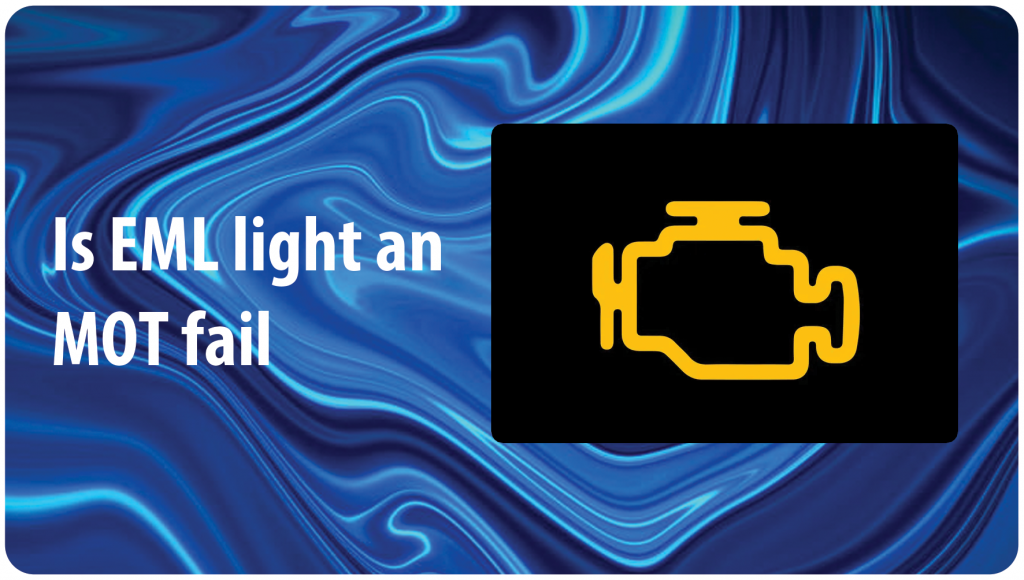
Navigating the MOT: Will Your Car Fail with the Engine Light On?
The illuminated ‘Check Engine’ light, often referred to as the Malfunction Indicator Lamp (MIL) or Service Engine Soon light, is a source of significant apprehension for many motorists, especially as their annual MOT test approaches. This seemingly innocuous amber warning can signal a myriad of underlying issues within the vehicle’s intricate systems, ranging from minor sensor malfunctions to more critical powertrain anomalies. A prevalent concern among car owners is whether this persistent warning will automatically result in an MOT failure. Understanding the regulatory framework and the diagnostic implications is crucial for anyone facing this common automotive predicament.
The Definitive Answer: Will Car Fail MOT with Engine Light On?
To unequivocally address the primary concern: yes, your car will fail its MOT if the engine light is illuminated during the inspection. Under current UK MOT regulations, an illuminated Malfunction Indicator Lamp (MIL) is classified as a ‘major defect’. This ruling reflects the critical role the MIL plays in indicating potential issues with the vehicle’s emissions control system, engine performance, or other safety-critical components. The presence of this warning light signals that the vehicle’s On-Board Diagnostics II (OBD-II) system has detected a fault, and until that fault is rectified and the light extinguished, the vehicle is deemed unroadworthy for the purpose of the MOT.
Understanding the Malfunction Indicator Lamp (MIL)
The MIL is an integral part of your vehicle’s sophisticated OBD-II system, designed to monitor the performance of various vehicle subsystems. When the Powertrain Control Module (PCM) detects an anomaly that falls outside predetermined parameters, it stores a Diagnostic Trouble Code (DTC) and illuminates the MIL. These DTCs are standardised ‘P-codes’ that pinpoint specific issues, from a simple loose fuel cap to more complex catalytic converter inefficiency or misfire detection. The system’s primary focus is often on emissions-related components, but it also monitors aspects crucial for engine health and safe operation.
Modern vehicles, particularly those manufactured after 2001 (petrol) and 2003 (diesel) in the UK, are equipped with On-Board Diagnostics II (OBD-II) systems. This standardised system allows for real-time monitoring of emission-related components and other critical vehicle functions. The MIL illuminates when the Powertrain Control Module (PCM) detects a fault that could lead to increased emissions or affect vehicle performance, storing a Diagnostic Trouble Code (DTC) that pinpoint the specific issue.
Common Causes Behind an Illuminated Engine Light
While the prospect of an illuminated engine light can be daunting, many underlying causes are relatively common. Identifying the root cause is the first step towards rectification and ensuring your car doesn’t fail its MOT with the engine light on.
- Loose or Faulty Fuel Cap: Surprisingly, a common culprit. A loose or damaged fuel cap can allow fuel vapours to escape, triggering an evaporative emissions (EVAP) system fault.
- Failing Oxygen (Lambda) Sensor: These sensors measure the unburnt oxygen in the exhaust, providing data to the PCM for fuel mixture optimisation. A faulty sensor can lead to increased emissions and poor fuel economy.
- Catalytic Converter Issues: The catalytic converter reduces harmful pollutants in exhaust gases. If it’s failing or becoming clogged, it will trigger the MIL due to inefficient operation.
- Spark Plugs or Ignition Coil Problems: Misfires due to worn spark plugs, faulty ignition coils, or damaged spark plug wires can lead to incomplete combustion, triggering the engine light.
- Mass Airflow (MAF) Sensor Degradation: The MAF sensor measures the amount of air entering the engine. Incorrect readings can lead to an improper fuel-air mixture, affecting performance and emissions.
- Vacuum Leaks: Leaks in the engine’s vacuum hoses or intake manifold gaskets can disrupt the air-fuel ratio, causing the engine to run lean and activate the MIL.
The MOT Test and Emission Standards
The MOT test places significant emphasis on a vehicle’s environmental performance. An illuminated MIL often indicates an emissions-related fault, which directly contravenes the strict emission standards required for a pass. During the MOT, the inspector will not only perform a visual check for the MIL but will also connect an OBD-II scanner to the vehicle’s diagnostic port. This allows them to read any stored DTCs and verify the status of the vehicle’s ‘readiness monitors’. If the MIL is on, or if certain readiness monitors have not completed their self-tests (often after codes have been cleared without adequate driving), it will result in an MOT failure.
MOT Fact: The OBD-II Port Inspection
During an MOT test, the inspector will not only visually check for the illuminated MIL but will also connect to the vehicle’s OBD-II port to read stored Diagnostic Trouble Codes (DTCs). If any emissions-related fault codes are present, or if the MIL is illuminated, it constitutes a major defect, resulting in an automatic failure. Furthermore, if the MIL bulb itself is not working or has been tampered with to hide a fault, this also leads to a failure.
Steps to Take When Your Car’s Engine Light is On
If your engine light illuminates, immediate action is advisable, especially if your MOT is approaching. Ignoring the warning will not only lead to an MOT failure but could also exacerbate underlying issues, potentially causing more significant and costly damage.
- Initial Assessment: First, ensure your fuel cap is securely tightened. This simple check often resolves the issue. If the light remains, proceed to professional diagnosis.
- Professional Diagnosis: Take your vehicle to a qualified technician. They will use an advanced OBD-II scanner to retrieve the specific DTCs stored in your PCM. This diagnostic process is crucial for accurately identifying the fault.
- Prioritise Repairs: Based on the diagnostic findings, address the underlying issue. Some faults, like a failing catalytic converter or severe misfires, demand immediate attention due to their impact on emissions and engine health.
- Clear Codes and Verify Repair: Once the repair is completed, the technician will clear the stored DTCs. It’s essential to ensure the repair has genuinely fixed the problem, as the light will simply reappear if the fault persists.
- Complete a Drive Cycle: After clearing codes, the vehicle’s readiness monitors need to reset. This typically requires driving the car under various conditions (city, highway, cold start) to allow the OBD-II system to re-evaluate all components. Without complete readiness monitors, even with the light off, an MOT failure is possible.
Frequently Asked Questions (FAQ)
Q1: Can I just reset the engine light before an MOT to pass?
A1: While you can temporarily reset the engine light by disconnecting the battery or using an OBD-II scanner, this practice is highly ill-advised for an MOT. Resetting the light clears all stored DTCs and also resets the vehicle’s readiness monitors. The MOT test requires these readiness monitors to be ‘complete’ or ‘ready’. If they haven’t had sufficient time to run and report back (which typically requires a specific drive cycle after a reset), the vehicle will fail the MOT, even if the engine light is off. Furthermore, if the underlying fault hasn’t been fixed, the light will likely reappear during or shortly after the test.
Q2: What if the engine light is intermittent? Will car fail MOT with engine light on if it’s not always on?
A2: Yes, even if the engine light is intermittent, your car will still fail the MOT if it illuminates at any point during the inspection. Moreover, the OBD-II system stores ‘pending’ or ‘history’ codes even if the light isn’t currently illuminated. An MOT inspector’s OBD-II scanner will detect these stored codes. If these codes are emissions-related, or if the light was on and then went off but the readiness monitors haven’t completed, it will still result in a failure. It’s crucial to address the root cause of the intermittent illumination rather than hoping it stays off for the test.
Q3: Are all engine light issues considered an MOT failure?
A3: Any illuminated Malfunction Indicator Lamp (MIL) during an MOT test is considered a major defect and will result in an automatic failure, regardless of the specific issue it indicates. The MOT regulations do not differentiate between ‘minor’ and ‘major’ MIL triggers; the mere presence of the illuminated light signals a fault within the vehicle’s diagnostic system that requires attention. While some DTCs might be less critical for immediate driving safety, the regulatory stance is that if the system is indicating a fault, the vehicle is not compliant with roadworthiness standards, particularly concerning emissions.